

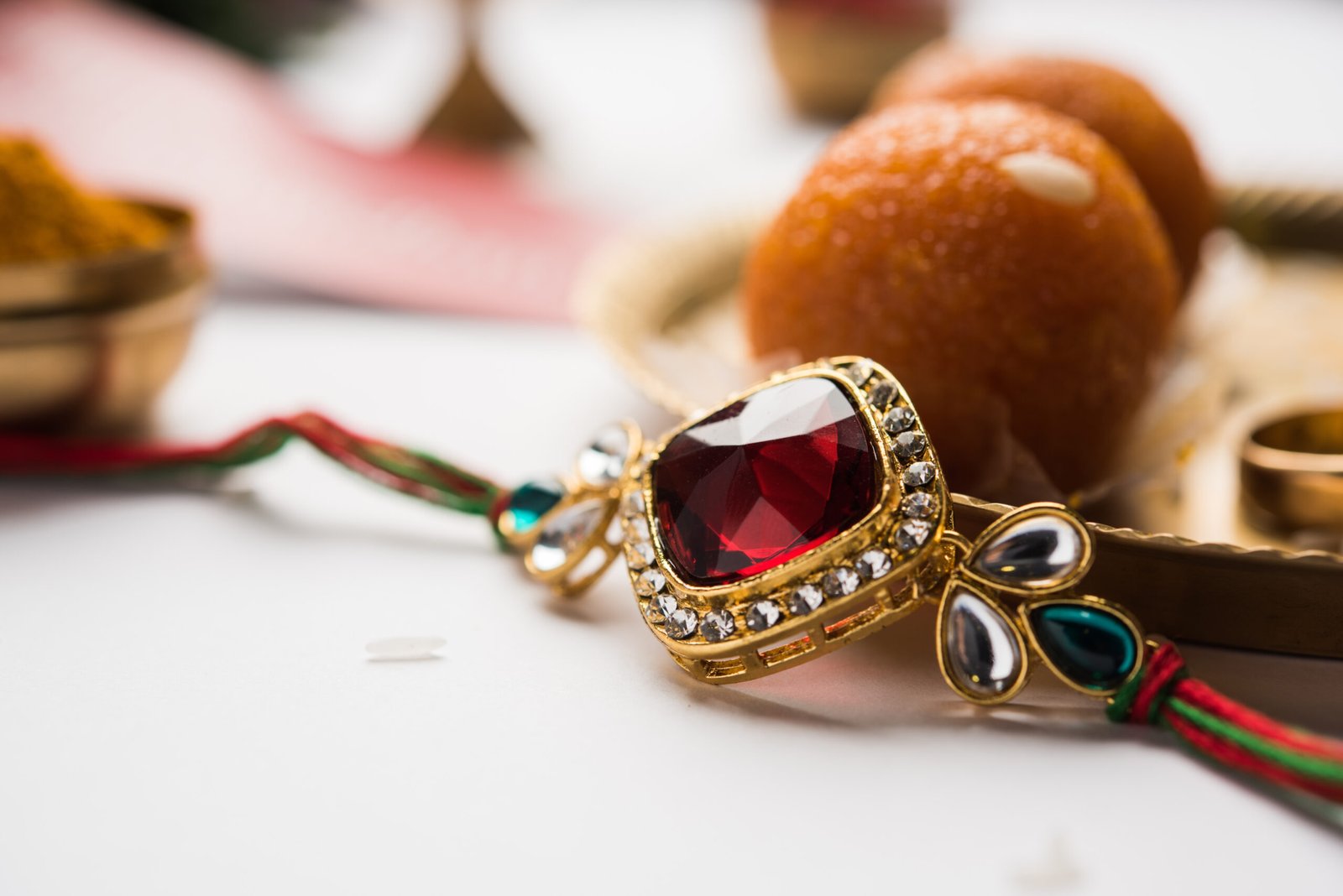
Few art forms in Indian heritage rival the elegance and legacy of Kundan jewellery. Known for its rich detailing and regal appeal, Kundan jewellery is more than just adornment, it is a centuries-old craft passed down through royal courts, artisans, and families. But while most people use the word Kundan as a single category, the truth is that there are different types of Kundan jewellery, each with its own unique technique, finish, and charm.
In this guide, we’ll explore what Kundan jewellery really means and break down the four major types: Polki, Jadau, Pacchi, and Dabi (with meenakari work at the back).

What is Kundan Jewellery
At its core, Kundan is a technique rather than a single style. The word “Kundan” refers to highly refined 24-karat gold foil that is used to set stones into intricate frameworks. Instead of relying on prongs or adhesives, artisans layer thin sheets of gold foil around gemstones, securing them firmly while enhancing their natural radiance.
This technique flourished under the Mughal courts and later became synonymous with the jewellery traditions of Rajasthan and Gujarat. The result is jewellery that is simultaneously delicate, durable, and breathtakingly beautiful.
Types of Kundan Jewellery
While the foundation of Kundan lies in its setting technique, the materials, design details, and making process give rise to different styles. Let’s look at the four major types:
1. Polki Kundan
Polki jewellery is perhaps the most luxurious form of Kundan. It uses uncut natural diamonds, known as polki, instead of glass or other substitutes. Because these are real diamonds in their raw, unpolished form, Polki Kundan is highly valued and carries significant weight.
- Features: Natural diamonds, heavy in weight, intricate gold framework.
- Usage: Popular in bridal sets and heirloom jewellery.
- Why it’s special: Retains the raw brilliance of diamonds while showcasing exquisite craftsmanship.
2. Jadau Kundan
The word Jadau comes from the Hindi word jad, meaning “to embed.” This style refers to the technique of embedding stones into gold, a process that involves several skilled artisans.
- Process:
- Chiterias sketch designs.
- Gharias carve and prepare the gold framework.
- Jadiahs embed stones with Kundan.
- Meenakars add vibrant enamel work, often at the back.
- Chiterias sketch designs.
- Features: Elaborate, royal designs; often heavier; meenakari detailing.
- Usage: Ideal for weddings and cultural ceremonies.
- Why it’s special: Each piece is handcrafted over weeks or months, making it a miniature work of heritage art.
3. Pacchi Kundan
Pacchi is known as the lightweight and budget-friendly cousin of Polki. Instead of natural diamonds, it often uses glass stones or other substitutes that mimic the look of Polki.
- Features: Lightweight, intricate detailing, delicate yet affordable.
- Usage: Perfect for festive occasions, parties, or everyday glamour.
- Why it’s special: Offers the regal look of Kundan jewellery without the heavy price tag, making it popular with younger buyers.
4. Dabi Kundan with Meenakari
Dabi Kundan is a distinctive style where stones are pressed (dabi) into the gold framework rather than embedded in layers. What makes it especially beautiful is the meenakari work at the back, giving the jewellery dual appeal ornate on both sides.
- Features: Pressed stone settings, intricate enamel artistry at the back.
- Usage: Favoured in necklaces, bangles, and earrings that highlight both front and back.
- Why it’s special: Combines gemstone brilliance with colourful artistry, offering elegance from every angle.
How to Tell Them Apart
- Weight: Polki and Jadau pieces are heavier due to diamonds and an elaborate framework. Pacchi is much lighter.
- Stones: Polki uses uncut diamonds, Pacchi uses glass, Dabi features pressed settings, and Jadau uses a combination of uncut stones with meenakari.
- Price: Polki > Jadau > Dabi > Pacchi, in terms of cost and rarity.
- Craftsmanship: Authentic pieces show handcrafted irregularities and meenakari at the back, while imitations often look machine-perfect.
Why Knowing the Difference Matters
Understanding the distinctions helps you choose wisely:
- Brides can invest in Polki or Jadau for heritage pieces.
- Collectors may appreciate Dabi for its artistry.
- Everyday buyers may prefer Pacchi for its lightweight affordability.
Recognising these types also ensures you avoid imitations and appreciate the labour of artisans who preserve this tradition.
The Wrap
Kundan jewellery is not just a design but an artistic technique that has evolved into multiple forms: Polki, Jadau, Pacchi, and Dabi. Each type tells a different story of heritage, craftsmanship, and style.
Whether you choose the regal richness of Polki, the handcrafted charm of Jadau, the everyday elegance of Pacchi, or the dual artistry of Dabi, owning Kundan is like holding a piece of India’s artistic history.
It is more than jewellery, it is a legacy, glowing with culture, artistry, and timeless beauty